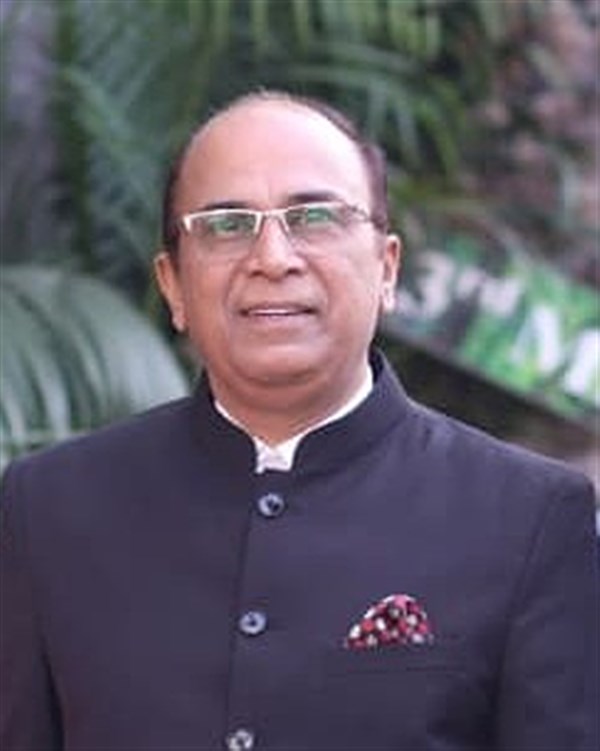
The institute is carried by its co-founders — Dr. Anil Sharma and Dr. Maulik Sharma, both Ph.D. (Law) and NET (Law) qualified, with thirty years and ten years of legal-field experience between them. They teach the exam side, take the matter side, and counsel aspirants on where they actually stand.
Challan settlementAmicable settlement of challan matters
Co-founder
Dr. Anil Sharma
Co-founder · Advocate · Legal Advisor
Thirty years in the legal field — as printed on the boards at the centre.
LL.B.L.L.M.Doctorate (L.L.D.)NET (Law)
The chamber side of the institute. A matter is read before it is answered — civil and criminal files, notices, plaints and written statements, handled in writing rather than in talk. Qualifications exactly as printed on the institute card: LL.B., L.L.M., L.L.D. and NET (Law). The first name you call when the question is not what should I study but where do I actually stand.
Co-founder · Advocate · Career Counsellor (Law Aspirants)
Ten years in the legal field — as printed on the boards at the centre.
LL.B.L.L.M.Ph.D. (Law)NET (Law)
The classroom side. A doctorate in law sits behind the teaching, so a lecture here is never limited to answer keys — reasoning is trained as a method, and an answer is coached until it reads like an answer on paper. He builds the exam tracks (CLAT, AIBE and judicial services): what to read, in what order, and how to write it. Career counselling for law aspirants starts with him — free, before any batch is joined.
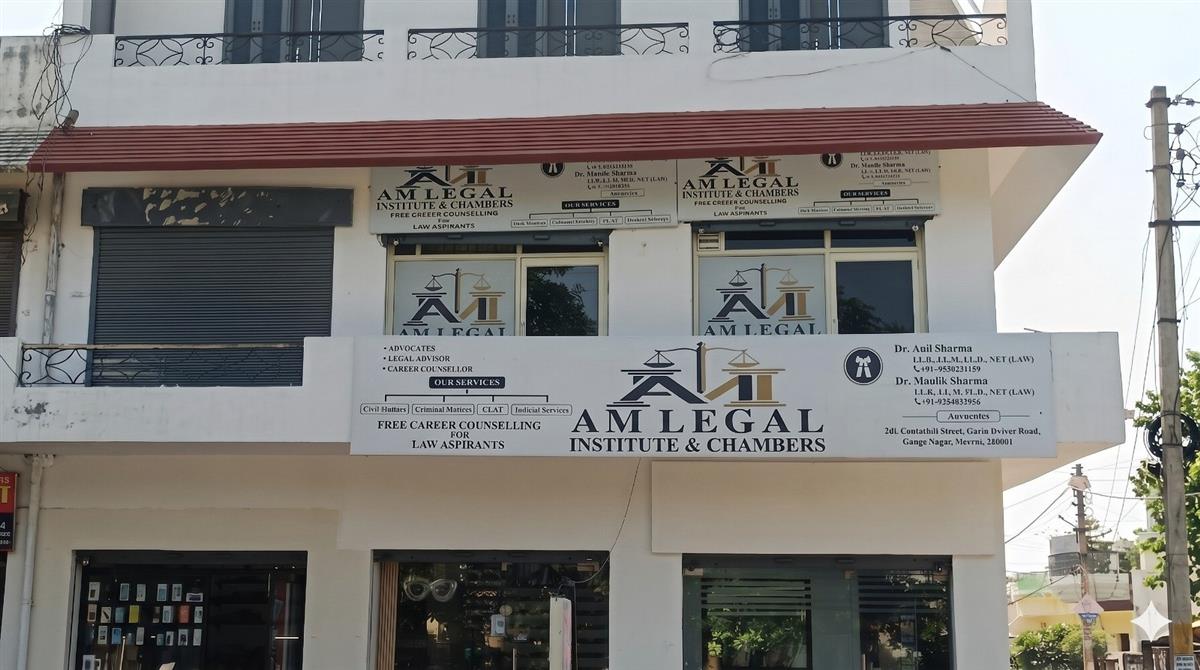
The boards as they stand on the building: both names, the doctorates, the service lines — Civil Matters, Criminal Matters, CLAT, Judicial Services — and the two numbers. Read left to right, they are the same two lines this page prints.
“The same two names — one teaches the paper, the other carries the file.”
What gets taught, subject by subject
Areas covered at the centre
Not a list of tutors — these are the areas the syllabus is actually delivered in, and each one is taught the same way: concept, daily practice, weekly review, with the library as the reference base.
Area
Constitutional Law
Fundamental rights, DPDP, directive principles and the judgments the papers keep returning to.
Area
Criminal Law · CrPC · BNS
Offences, bail, quashing, trial procedure and evidence — taught as procedure, not as definition.
Area
Civil Procedure · CPC
Suits, injunctions, decree and execution, limitation, and the drafting habits that survive scrutiny.
Area
Family Law & Succession
Marriage, maintenance, guardianship and the personal-law splits that appear every year.
Area
Legal Drafting & Reading
Notice, plaint, written statement, petition, affidavit — format, language, and why the format matters.
Area
Entrance · Reasoning · Language
CLAT-style sections, compulsory language papers and the timing discipline for prelims.